Nature’s Little Alchemists
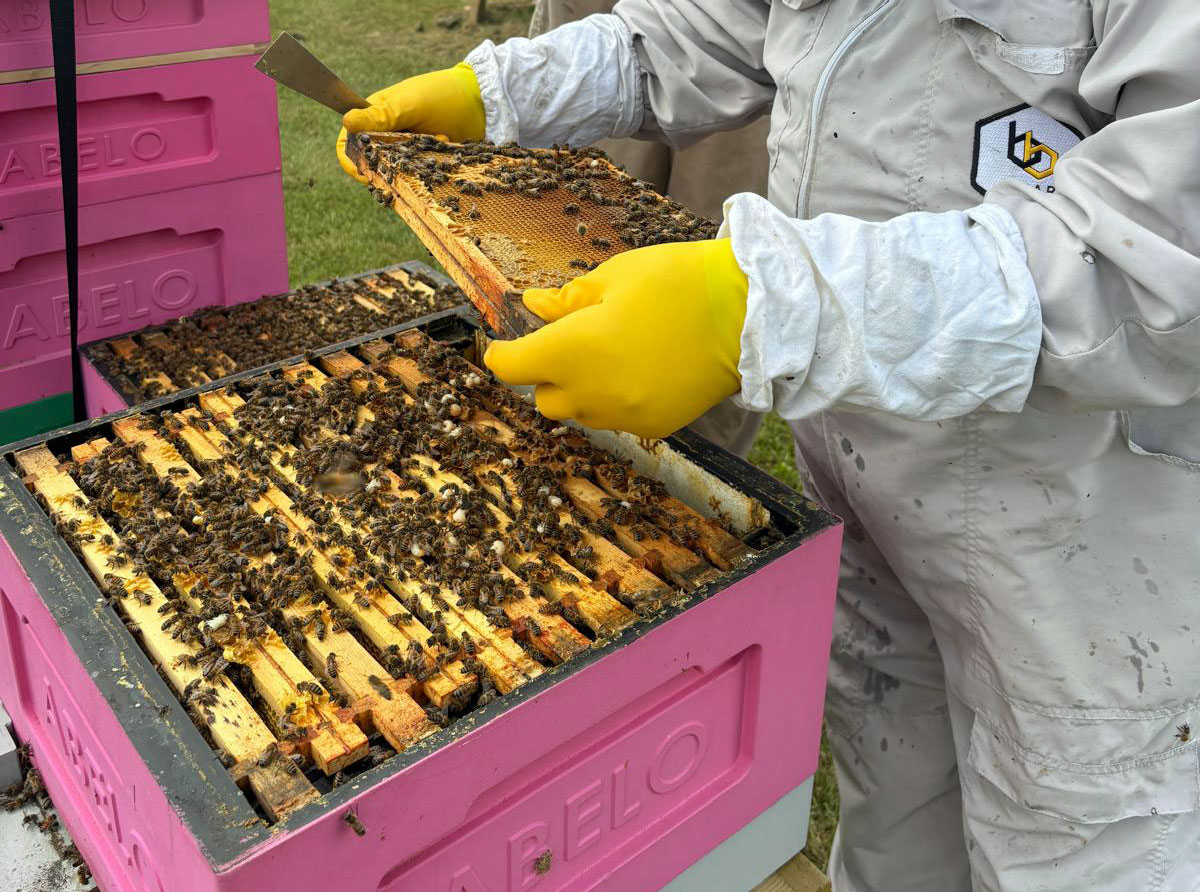
Bees are master craftsmen. A single colony can contain up to 60,000 worker bees, each tirelessly foraging nectar from flowers within a three mile radius of their hive. They then transform this nectar through enzymes and careful fanning of their wings into the thick golden liquid we know as honey. It takes around 12 worker bees their entire lives to make just one teaspoon of honey.
Local Honey, Local Benefits
Not all honey is created equal. Local honey reflects the unique flowers and plants of the surrounding countryside, giving it subtle variations in flavour, aroma, and colour. In North Yorkshire, for example, honey often carries notes from heather, clover, and wildflowers, creating a depth of taste you will not find in mass produced supermarket jars.
Beyond taste, many people believe that consuming local honey can help the body gently adapt to regional pollen which may reduce the impact of seasonal allergies. While the science is still being studied, what is certain is that choosing local honey supports nearby beekeepers and the health of the environment we all share.
Supporting the Bees
Honeybees play a vital role far beyond the honey jar. They are responsible for pollinating about a third of the food we eat, from apples and strawberries to rapeseed and beans. Supporting local honey means supporting pollinators and, in turn, strengthening the ecosystems that sustain us.
A Taste of Something Pure
When you open a jar of local honey you are not just tasting sweetness. You are experiencing the work of thousands of bees, the richness of your local landscape, and a tradition that has been treasured by humans for millennia. It is more than food, it is a connection to nature in its purest form.